Description
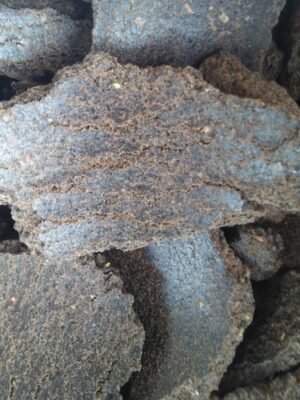
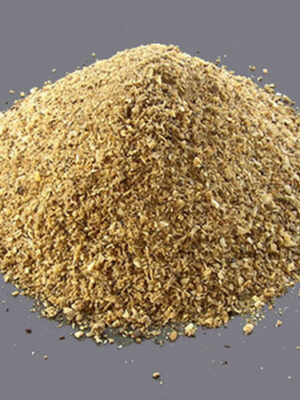
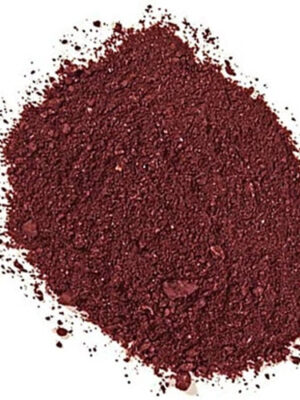
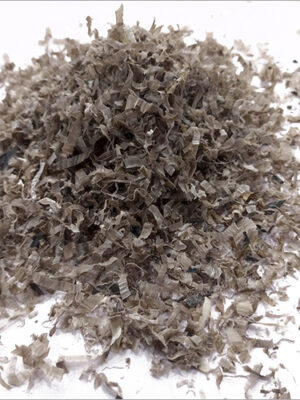
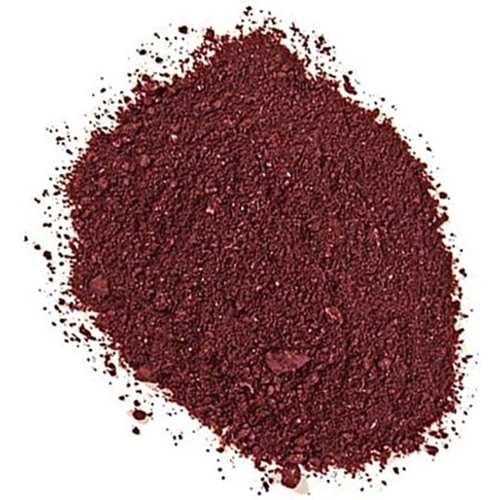
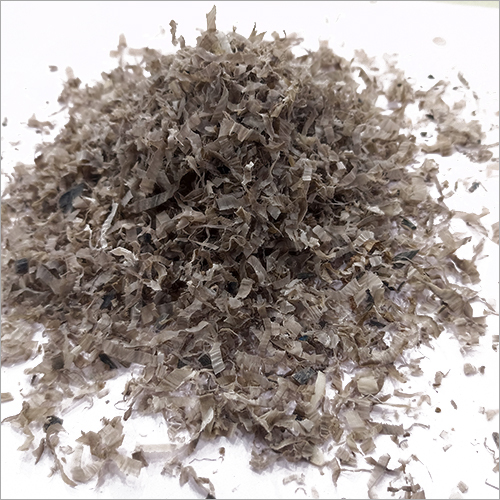
Horn meal is a slow-release, 100% organic fertilizer made from sterilized, steamed, and ground animal horns. It is highly prized in agriculture for its rich nitrogen content (typically 12% to 14% N) and trace amounts of phosphorus, promoting lush green foliage and long-term soil health.
Benefits in Agriculture
- Exceptional Slow-Release Nitrogen: Because horn meal is rich in keratin, it breaks down very gradually. Microorganisms in the soil convert this keratin into usable nitrogen, providing a consistent, long-term nutrient supply that can last from 4 to 12 months.
- No Leaf Burn: Unlike fast-acting synthetic fertilizers or blood meal, the slow breakdown of horn meal prevents nitrogen leaching and eliminates the risk of fertilizer/leaf burn.
- Improves Soil Structure: As an organic amendment, it decomposes to add valuable organic matter. This improves soil aeration, enhances moisture retention, and creates a spongier soil texture.
- Stimulates Microbial Activity: The gradual decomposition encourages a thriving population of beneficial microbes and earthworms.
Agricultural Uses
- Vegetables and Leafy Greens: It is an excellent top dressing or base mix for heavy-nitrogen feeders like cabbage, lettuce, spinach, and tomatoes.
- Fruit Trees & Perennials: Because it feeds plants slowly, it is ideal for sustained tree growth and helping fruit develop without pushing excess growth too quickly.
- Composting Accelerator: Due to its high nitrogen-to-carbon ratio, it can be mixed into compost piles to speed up the decomposition of carbon-heavy materials.
- Acid-Loving & Flowering Plants: Because horn meal is mostly neutral (unlike phosphorus-heavy bone meal which can be alkaline), it is safely used for roses, berries, and ornamental shrubs.
Directions for Use
- Soil Mixing (Pre-Planting): For new beds or potting soil, blend the horn meal thoroughly into the topsoil or potting mix before planting. A standard rate is roughly $50 \text{ g}$ to $100 \text{ g}$ per square meter, depending on soil needs.
- Top Dressing (Established Plants): Sprinkle the meal lightly around the base of your plants (taking care not to press it directly against stems). Gently work it into the top $1$ to $2$ inches of the soil and water thoroughly.
- Application Frequency: Since it takes 4 to 6 weeks to start becoming available to the plant and lasts for months, typically 1 to 2 applications per year (often in early spring and mid-summer) are sufficient.